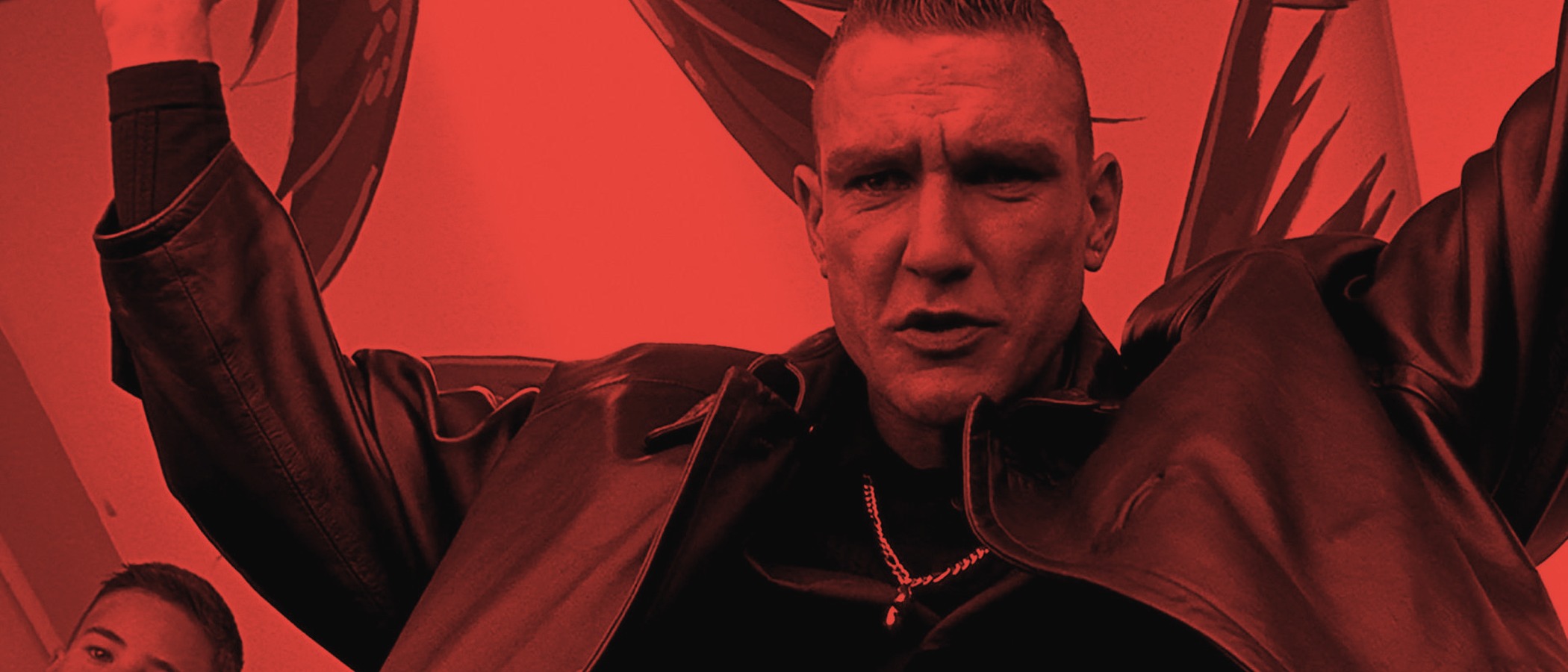
In 1997, British gangster cinema was essentially dormant. The genre had peaked in the early '70s with Get Carter and The Long Good Friday, enjoyed a brief resurgence with Trainspotting in 1996, and otherwise consisted of forgettable straight-to-video efforts starring people you'd cross the street to avoid. Nobody was waiting for a revolution.
Then a posh bloke from Hatfield made a film about four mates, a card game, and two antique shotguns. Everything changed.
1998: Lock, Stock Lights the Fuse
Guy Ritchie's Lock, Stock and Two Smoking Barrels didn't just revive British gangster cinema. It reinvented it. The quick-cut editing, the interweaving plotlines, the Cockney narration, the dark comedy - none of this was entirely new (Tarantino had been doing something similar in America), but Ritchie gave it a distinctly British flavour that felt fresh and exciting.
The film cost about a million pounds and made over $28 million worldwide. It turned Vinnie Jones into a film star, launched Jason Statham's career, and proved to financiers that British crime films could compete globally. Every young British director with a script about geezers and heists suddenly had a meeting booked. For details on where it was shot, see our Ritchie London locations guide.
1999-2000: The Floodgates Open
The immediate aftermath of Lock, Stock was a tidal wave of imitators. Some were good. Most were dreadful. Love, Honour and Obey (2000) tried to recreate the ensemble comedy and fell flat. Gangster No. 1 (2000) went darker and succeeded brilliantly, with Paul Bettany delivering a career-making performance as a psychotic young gangster in 1960s London.
But the big one was Snatch (2000). Ritchie's follow-up took everything about Lock, Stock and made it bigger, faster, and funnier. Brad Pitt as an incomprehensible Irish traveller. Benicio del Toro swallowing a diamond. Alan Ford as Brick Top, delivering perhaps the most quotable villain monologue in the genre's history. Snatch was the moment British gangster cinema went global.
Also in 2000: Sexy Beast. Jonathan Glazer's directorial debut was the opposite of Ritchie's approach - slow, menacing, psychological rather than kinetic. Ben Kingsley's Don Logan, all compressed fury and refusal to accept the word "no," became an instant icon. The film proved the genre had room for more than one style.
2001-2003: The Deepening
By 2001, the initial gold rush had settled and the genre started producing more varied, interesting work. Last Orders (2001) - Michael Caine, Bob Hoskins, Tom Courtenay, and David Hemmings as old friends carrying out a mate's last wish - wasn't strictly a gangster film, but it occupied the same world and showed the human side of London's criminal class.
24 Hour Party People (2002) transplanted the energy to Manchester's music scene. The Football Factory (2004, technically slightly outside this window) took the hooligan angle that Lock, Stock had flirted with and made it the whole film, launching Danny Dyer's career as British cinema's favourite geezer. We rank his full filmography in our Danny Dyer piece.
2004: The Year of Peak Quality
2004 was the golden age's golden year. Three films released that year represent the absolute pinnacle of British crime cinema:
Layer Cake - Matthew Vaughn's directorial debut, with Daniel Craig as a nameless drug dealer trying to get out. Slick, smart, and cool in a way that basically auditioned Craig for James Bond. The film proved you could do British crime without the Cockney comedy - it was more Michael Mann than Guy Ritchie.
Dead Man's Shoes - Shane Meadows went to the Midlands and made a revenge film so intense it still gives people nightmares. Paddy Considine's performance is one of the decade's best, and the film's low budget actually amplifies its menace. We go deeper in our Shane Meadows analysis.
Harry Brown would come later (2009), but it's worth noting that Michael Caine's return to British crime cinema was essentially a love letter to this era, even as it signalled its end.
Tracking your film journey? Our 100 Movies Bucket List Poster is the perfect way to scratch off the classics.
2005-2007: The Diversification
The genre started branching out. Green Street (2005) gave us Elijah Wood as a Harvard dropout who joins a West Ham firm, which sounds ridiculous and kind of is, but Charlie Hunnam's performance elevates it. London to Brighton (2006) was made for 23 grand and is one of the most harrowing British films of the decade. Rise of the Footsoldier (2007) brought the docudrama approach to Essex gangster culture and essentially launched its own franchise.
Danny Dyer became the genre's most prolific star during this period, appearing in what felt like a new British crime film every three weeks. Not all of them were good (see: Straightheads, Outlaw), but Dyer's commitment to the genre kept it commercially viable when interest might otherwise have waned.
2008: The Curtain Call
RocknRolla (2008) was Ritchie's return to the genre after the critical and commercial disaster of Swept Away and the mixed reception of Revolver. It was good - Gerard Butler, Tom Hardy, Idris Elba, and Mark Strong in a London property scam - but it felt like a victory lap rather than a new statement. Ritchie had said everything he had to say about London gangsters, and the genre knew it.
In Bruges (2008) provided the era's perfect full stop - though technically Irish/Belgian in setting, it was a British production through and through, and Martin McDonagh's script gave Colin Farrell and Brendan Gleeson some of the finest dialogue the crime genre has ever produced. It proved that British crime cinema could be literary, philosophical, and still absolutely hilarious.
Why It Ended
Several factors killed the golden age. Ritchie went to Hollywood (Sherlock Holmes). The straight-to-DVD market was flooded with cheap knockoffs that damaged the brand. Danny Dyer's filmography became a punchline. And perhaps most importantly, the financial crisis of 2008 changed the cultural mood - audiences wanted escapism, not gritty realism about British criminals.
The genre hasn't died. The Gentlemen (2019) proved there's still an appetite for Ritchie's London. Blue Story (2019) updated the genre for a new generation. Top Boy translated it to television with spectacular results. But the concentrated burst of quality between 1998 and 2008 - when it felt like a new classic was arriving every few months - that was something special.
Ten years, dozens of films, careers made and broken. The golden age of British gangster cinema was brief, brilliant, and unrepeatable. If you haven't worked through the canon, start with our complete ranked list.