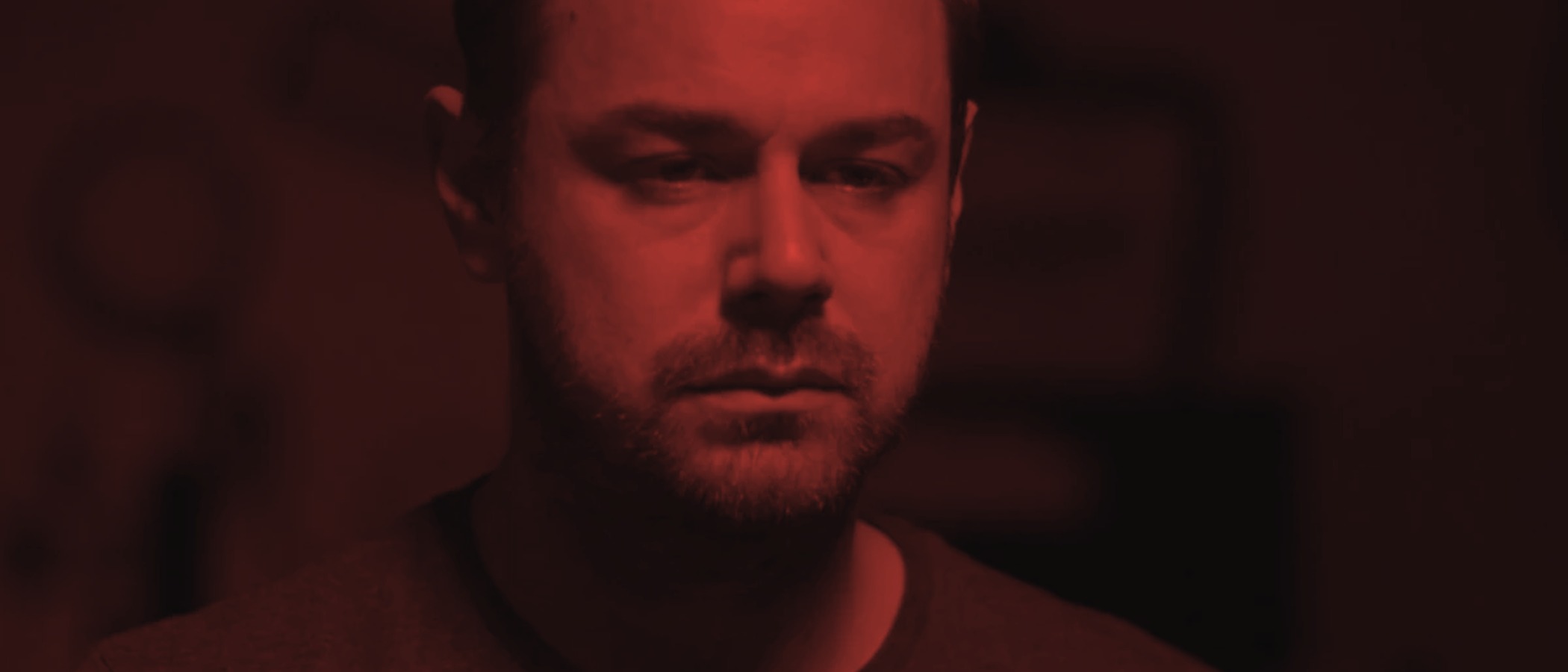
Danny Dyer is a national treasure and I will fight anyone who disagrees. Yes, a good chunk of his filmography is objectively terrible. Yes, he basically played the same bloke for fifteen years. Yes, some of his straight-to-DVD output makes Snatch look like Citizen Kane. But the man has an authenticity that can't be faked, a Cockney charisma that elevates even the worst material, and when he's given something decent to work with, he's genuinely excellent.
Here's his film career, ranked from worst to best. This is an act of love.
The Bottom Tier: Look, We All Have Bills to Pay
Vendetta (2013) - Dyer as a special forces soldier avenging his parents' death. It sounds like a Liam Neeson film with a quarter of the budget, and it plays exactly like that. The action scenes are competent, but the script gives him nothing to work with beyond looking angry in a hoodie.
Run for Your Wife (2012) - Based on the Ray Cooney farce, featuring basically every British celebrity who was available that Tuesday. It's genuinely one of the worst British films ever made, and it took in 602 quid on its opening weekend. That's not a typo. Six hundred and two pounds. Dyer isn't even the problem - the entire enterprise is cursed.
Pimp (2010) - A Soho crime drama that thinks it's edgier than it is. Dyer is fine but the film is a mess, trying to be stylish and gritty simultaneously and achieving neither.
Dead Man Running (2009) - Dyer and Tamer Hassan have 24 hours to repay a debt to 50 Cent. Yes, actual 50 Cent. It's as bizarre as it sounds and not in a good way.
City Rats (2009) - An ensemble piece about London life that completely wastes its cast. Dyer is in it. That's about the most interesting thing you can say.
The Middle Tier: Decent Enough on a Friday Night
Outlaw (2007) - Nick Love's vigilante film about ordinary men taking the law into their own hands. It's heavy-handed and the politics are dodgy, but Dyer commits fully and there are moments that genuinely work. Sean Bean and Bob Hoskins co-star, which tells you the concept had legs even if the execution stumbled.
Straightheads (2007) - A revenge thriller with Gillian Anderson (yes, Scully) where Dyer plays against type as a mild-mannered man driven to violence. It's grim, disturbing, and occasionally effective. The problem is that Dyer and Anderson feel like they're in different films.
Severance (2006) - A horror-comedy about a corporate retreat that goes violently wrong. Dyer is good in it - his comic timing is underrated - and the film itself is a solid British horror entry. Not his best, but proof he could do more than just play hard men.
The Other Half (2006) - A romantic drama. Yes, Danny Dyer in a romantic drama. It's surprisingly sweet, even if it occasionally feels like watching a pitbull try to be a Labrador. Dyer has genuine tenderness when he wants to show it.
Malice in Wonderland (2009) - An Alice in Wonderland reimagining set in London's underworld, with Maggie Grace as Alice and Dyer as a cabbie. It's weird, messy, and kind of charming. Not good, exactly, but interesting enough to watch once.
If these films inspire your walls as much as your watchlist, check out our Minimal Film Posters pack - 27 print-ready designs from £2.99.
The Upper Tier: Actually Good
Borstal Boy (2000) - Dyer plays a young Brendan Behan in this adaptation of the Irish writer's memoir. It's one of his most restrained performances, and it shows a range that his later career rarely demanded. The film itself is uneven, but Dyer is genuinely impressive.
Goodbye Charlie Bright (2001) - A coming-of-age film set on a South London estate during one long, hot summer. Dyer is the charismatic best mate, and he's perfectly cast. The film captures that specific feeling of being young, skint, and stuck in a place where nothing happens. It's better than it had any right to be.
Mean Machine (2001) - The Longest Yard remake with Vinnie Jones, set in a British prison. Dyer plays one of the inmates, and the ensemble energy is infectious. It's not art, but it's proper entertainment, and Dyer's prison football scenes are genuinely funny.
The Top Tier: Danny Dyer at His Best
3. The Football Factory (2004) - The film that made Dyer a star. Nick Love's adaptation of John King's novel about Chelsea hooliganism is visceral, controversial, and propulsive. Dyer's Tommy Johnson is an anti-hero who knows his life is going nowhere but can't stop the adrenaline addiction. It's the role he was born to play, and Love directs with an energy that perfectly matches Dyer's natural screen presence. For the era that produced it, see our golden age piece.
2. The Business (2005) - Nick Love again, this time set in 1980s Costa del Crime Spain. Dyer plays a young Londoner who falls into the drug trade on the Costa del Sol, and the combination of sun, synth-pop, and escalating violence is irresistible. It's Dyer's most charismatic performance - he's genuinely cool in this, which isn't always the case - and the film's evocation of Thatcher-era excess is spot-on.
1. Human Traffic (1999) - Justin Kerrigan's Cardiff rave film is the best thing Danny Dyer has ever been in, and it's not close. He plays Moff, a paranoid, pill-popping clubber whose weekend rituals are depicted with love, accuracy, and absolutely no judgement. The film captures the late-90s British club scene with an authenticity that no other film has matched - the pre-club rituals, the comedown conversations, the moment the drugs kick in and the world becomes beautiful.
Dyer is perfect in it because he's not trying to be hard. He's trying to have a good time, and his natural warmth and humour shine through. The "spliff politics" monologue. The Star Wars fantasy sequence. The comedown scene where everyone sits around in existential dread. It's Danny Dyer at his most human, and it's a performance that deserves far more recognition than it gets.
The Verdict
Danny Dyer's filmography is a mess. But it's a glorious mess, and at its best - Human Traffic, The Business, The Football Factory - it captures something real about British working-class culture that more "respectable" actors couldn't touch. The man went on to play Mick Carter in EastEnders and became an even bigger star, which tells you everything about what this country actually values.
He's Danny Dyer. He's one of ours. And his best work belongs in any conversation about great British crime cinema.