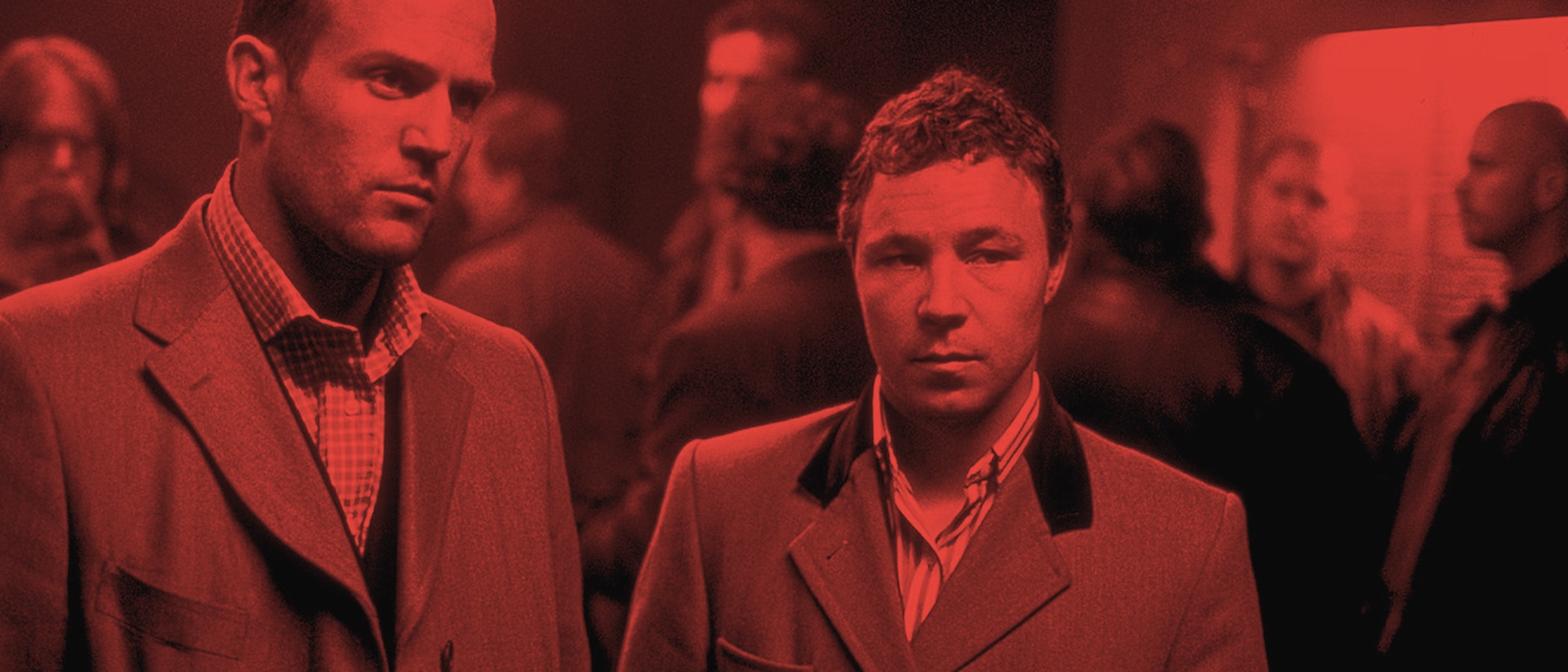
When Snatch hit screens in 2000, it was often dismissed as Guy Ritchie’s more flamboyant follow-up to Lock, Stock and Two Smoking Barrels. But revisited in 2025, it’s matured into something richer-peeling back the layers to reveal a knotty film about illusion, improvisation, and street-level performance. More than just a fast-cut, foul-mouthed caper, Snatch is an ode to chaos-a gleaming gem hiding in the grubby cracks of London’s underworld.
Storytelling at Breakneck Speed
At its core, Snatch is a tangled web of a stolen diamond, bare-knuckle boxing, and East End hustling. Characters dart in and out-a diamond makes the rounds, Turkish (Jason Statham) navigates unlicensed boxing, Franky Four-Fingers doubles back, and the diamond’s trails cross with bizarre regularity. But the real marvel lies in Ritchie’s direction: whip pans, freeze-frames, and rapid editing rework the narrative as kinetic poetry, turning disorder into groove. Empire Magazine’s review described how this visual swagger reinvigorated the gangster genre with a music-video energy married to Shakespearean farce.
Characters Larger Than Life (and Yet Human)
Brad Pitt’s Mickey O’Neil steals every scene-his thick Irish Traveller accent was so convincing that audiences outside the UK often struggled to follow it. In fact, Pitt himself admitted he asked Ritchie to make the character deliberately unintelligible as a running joke (Landmark Cinemas). It’s not just comedy; it’s performance as pretext, and Pitt delivers it with elated ferocity. Alan Ford’s Brick Top, sipping tea while describing grisly pig-fed body disposal, is simultaneously terrifying and absurdly hilarious. Each character is uniquely archetypal yet oddly grounded-whether it’s Vinnie Jones’ blunt force, Benicio del Toro’s smooth treachery, or Jason Statham’s street-smart everyman. Together they create a tapestry of grotesques that still feel remarkably alive two decades later.
Beyond the Gangster Flick: A Con about Storytelling
Here’s the take no one expects: Snatch isn’t really about crime-it’s about lies, improvisation, and how humans sell stories to survive. Every scene, whether in a boxing ring or caravan, is a stage. The diamond becomes a prop, the dialogue a pitch, the hustles a play-within-the-play. Unlike American counterparts like Pulp Fiction or Goodfellas, Ritchie isn’t telling morality-steeped epics-he’s orchestrating theatrical imposture, making farce out of fear, speed out of stasis. Crime is window-dressing; the real spectacle is how people spin and spin.
Legacy in the Mayhem
Financed on a modest $10 million budget and earning $83.6 million worldwide, Snatch was a solid hit-and its cult status has only grown. Empire placed it among the best British gangster movies of all time, praising its narrative weight and comedic inventiveness. Its stylistic DNA is visible in dozens of successors, from hyper-edited TV shows to cheeky crime spoofs. Yet for all its influence, Snatch also stands alone-its blend of mess, wit, and swagger remains perennially fresh.
Why Snatch Still Sparkles
In 2025, amid franchise fatigue and over-polished heroism, Snatch bursts with raw energy. It's a reminder that great storytelling doesn't need polish-it needs heart, nerve, and a little chaos. The film is messy, irreverent, and yet somehow composed-like a street-performer spinning plates in traffic. Guy Ritchie's caper remains his greatest paradox: controlled pandemonium, street-wise comedy, and communal adrenaline all rolled into one. Like the diamond that passes through dozens of hands, Snatch is proof that stories-no matter how slippery-sparkle in the right light.
Test Your Film Knowledge
Think you know your crime capers? Have a go:
- Emoji Plot - Can you decode Snatch and other crime films from emojis?
- Frame-a-Day - Identify classic films from a single screenshot
- Movie Tagline - Match iconic taglines to their films
Related Articles
- Top 10 Comedy Movies of All Time - The funniest films ever made
- Top 10 Action Movies of All Time - More pulse-pounding cinema