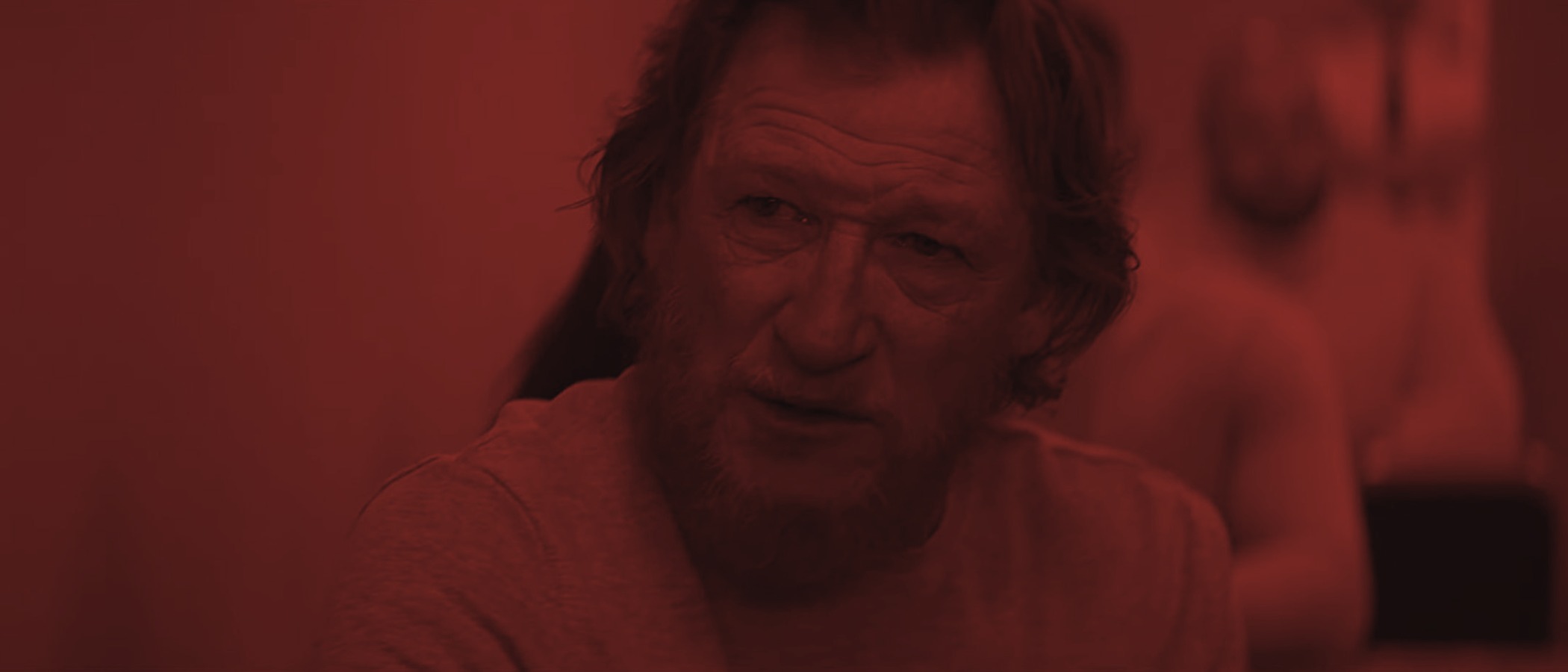
British gangster cinema has always been obsessed with Essex. Something about the county - the proximity to London, the cash-rich criminal economy, the general air of "anything goes" - makes it the perfect setting for crime stories. Two films have tried to capture Essex gangster culture at its most extreme, and they've taken completely different approaches. Let's settle this.
The Contenders
Rise of the Footsoldier (2007) tells the story of Carlton Leach, an ICF football hooligan who became a doorman and then got tangled up with the Essex drug scene that culminated in the Rettendon Range Rover murders of 1995. It's directed by Julian Gilbey, stars Ricci Harnett, and was made on a budget that probably wouldn't cover Tom Hardy's hair gel.
Legend (2015) is the story of the Kray twins, Ronnie and Reggie, both played by Tom Hardy in a dual performance that cost roughly a hundred times what Footsoldier spent. Brian Helgeland directed. Emily Browning narrates. It had proper Hollywood money behind it.
On paper, Legend should win this easily. It doesn't.
Round 1: Authenticity
Footsoldier wins this in a landslide. Gilbey shot the film like a documentary, using real locations, casting actors who looked like they'd actually been in a fight, and keeping the camera handheld and unflinching. The football hooligan scenes feel genuinely dangerous. The drug deals feel like you're watching something you shouldn't be. When the violence kicks off, it's ugly and fast and there's no glamour to it.
Legend, by contrast, is polished to the point of antiseptic. The 1960s London sets are beautiful - too beautiful. The Krays' world looks like a fashion shoot. When Ronnie Kray walks into a pub, it feels like a costume drama, not a crime film. The violence is choreographed and stylised in a way that strips it of impact. You never feel unsafe watching Legend. You should.
Winner: Footsoldier
Round 2: Performances
This is more complicated. Tom Hardy is undeniably brilliant as both Krays. His Ronnie - the paranoid schizophrenic with the glasses and the flat, menacing voice - is a genuine creation. The technical achievement of playing both brothers in the same frame is impressive. But here's the problem: Hardy is so good that he overwhelms the film. You're always watching Tom Hardy Acting, capital A. You're never watching Ronnie and Reggie Kray.
Ricci Harnett as Carlton Leach in Footsoldier isn't a performance that'll win awards, but it disappears into the character in a way Hardy never quite manages. You believe Harnett. You buy that this bloke went from football terraces to drug wars. The supporting cast - Craig Fairbrass, Terry Stone, Roland Manookian - all feel like they were plucked from the actual Essex underworld.
Winner: Legend (but only just)
Round 3: Story
Legend has a structural problem it never solves: telling the story of two people through one actor creates a weird dynamic where neither twin gets enough depth. The film tries to use Frances Shea (Emily Browning) as the emotional anchor, but her narration feels grafted on. The real story of the Krays is fascinating - their empire, their celebrity connections, Ronnie's increasingly unhinged behaviour - but Helgeland tries to fit too much in and ends up skimming everything. For more on the real Kray story, see our true stories feature.
Footsoldier has a simpler structure that works better. It's essentially a rise-and-fall story told chronologically: hooliganism, bouncing, drugs, murder. The Rettendon murders hang over the film like a shadow, and when they finally arrive, the impact is devastating because you've spent two hours getting to know the men in that Range Rover. The story isn't elegant, but it's honest.
Winner: Footsoldier
Think you know your British cinema? Test yourself with our Ultimate Movie Trivia Card Pack - 500+ questions for £3.99.
Round 4: Rewatchability
Legend is a one-watch film for most people. Once you've seen Hardy's dual performance, the novelty is spent, and what's left doesn't pull you back. It's a good film on first viewing, a forgettable one on second.
Footsoldier is, weirdly, more rewatchable despite being harder to watch. There's an energy to it that draws you in. The pacing is relentless, the soundtrack is perfect late-80s/early-90s rave culture, and there's a morbid fascination in watching these men accelerate towards their own destruction. It spawned four sequels of diminishing quality, but the original remains compelling.
Winner: Footsoldier
Round 5: Cultural Impact
Legend made more money and got more press coverage, mainly because Tom Hardy was already a massive star. It introduced the Kray twins to a new generation, which is something. But it didn't change British gangster cinema in any meaningful way. It came and went.
Footsoldier essentially created a subgenre - the low-budget British crime docudrama. Everything from Bonded by Blood to Essex Boys: Retribution to the Firm remake owes something to Gilbey's approach. Whether that's a good thing is debatable (most of these knockoffs are terrible), but the influence is undeniable.
Winner: Footsoldier
The Verdict
Rise of the Footsoldier wins 4-1, and honestly it wasn't close. Legend is a perfectly fine film elevated by an extraordinary central performance, but it's too clean, too safe, and too Hollywood for a story about two of the most dangerous men in British criminal history. Footsoldier gets its hands dirty, and that's what British gangster cinema is supposed to do.
Tom Hardy stans will disagree. That's fine. Watch both back to back and see which one stays with you. We already know the answer.
For the complete ranking, see our top 20 British gangster films list.