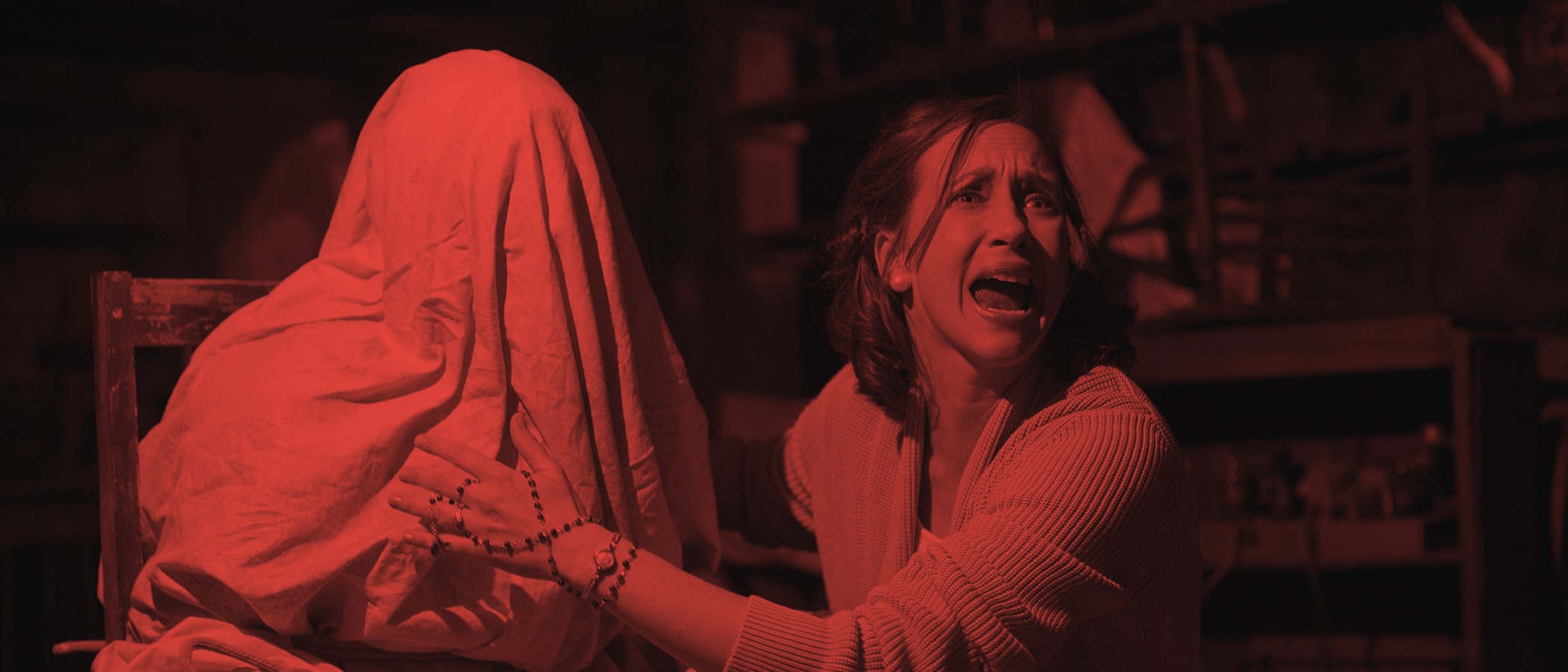
The horror genre has a jump scare problem. Loud noises and sudden movements aren't scary - they're startling. Real horror lingers. It changes how you feel in the dark. These films earn their terror through atmosphere, implication, and psychological precision.
Hereditary (2018)
Ari Aster's debut doesn't jump-scare you - it traumatises you. The inciting incident (you know which one) is devastating precisely because it's shown so matter-of-factly. The camera stays too long. The sound design is cruel.
The final act tips into full supernatural horror, but by then, Aster has established such dread that even standard genre beats feel unbearable. Toni Collette's performance is so raw it's almost hard to watch. The film earns every moment of terror.
The Witch (2015)
Robert Eggers' period piece works because it takes its premise seriously. A Puritan family's paranoia isn't treated as superstition - the supernatural is real, and they're right to be afraid.
The slow pace is intentional. The dialogue, in period-accurate English, creates alienation. The goat Black Phillip becomes genuinely menacing. By the finale, the film has established such foreboding that its conclusion feels inevitable and horrifying.
Lake Mungo (2008)
This Australian mockumentary about a family grieving their drowned daughter uses documentary format to amplify unease. The scares are subtle - blink-and-miss-it figures in footage, gradually revealed through rewatches.
The emotional core is genuine grief. The horror elements feel like unwelcome intrusions into mourning. When the final revelation hits, it's not a jump scare - it's a slow zoom that makes your stomach drop. The film haunts long after viewing.
The Shining (1980)
Kubrick's approach to horror is architectural. The Overlook Hotel is designed wrong - spatial relationships don't make sense, and your brain registers the wrongness subconsciously. The Steadicam following Danny creates unease through movement alone.
The "scary" moments - the twins, the bathtub woman, the blood elevator - are iconic but not what makes the film effective. It's the empty hallways, the typing, the isolation rendered as tangible oppression. The horror is environmental.
It Follows (2014)
David Robert Mitchell created an STD-as-horror-metaphor that's more effective than it sounds. The entity pursuing the protagonist walks slowly but never stops. You can outrun it temporarily. It will always be coming.
The genius is in execution. The entity can look like anyone - sometimes naked, sometimes elderly, sometimes loved ones. The paranoia this creates is unbearable. Every background extra becomes a potential threat. You'll watch crowds differently after this film.
The Babadook (2014)
Jennifer Kent's film uses its monster as grief metaphor, but the horror is genuinely unsettling regardless of interpretation. The pop-up book sequence is masterfully creepy. Essie Davis's deterioration is painful to witness.
The film understands that suppressed emotion becomes monstrous. The Babadook exists because it's not acknowledged. By the finale, the metaphor and the horror have fused into something that works on both levels simultaneously.
Why Jump Scares Fail
Jump scares trigger reflexes, not fear. Your heart rate spikes; it returns to normal in seconds. There's no lingering. No changed perception. No reluctance to sleep.
True horror requires investment. These films demand attention - they're not passive experiences. The reward is genuine unease that persists after credits. You'll think about them in the shower, in bed, in silent rooms. That's the transaction.
If you want to feel something, not just react, these films deliver. Be warned: they're effective.
Test Your Film Knowledge
- Emoji Plot - Decode horror movie plots from emojis
- Movie Quotes - Famous horror lines
- Frame-a-Day - Identify horror classics from a single screenshot
Related Articles
- Movies Better Than the Books - The Shining adaptation debate
- Why Practical Effects Will Always Beat CGI - Real horror texture
- Movie Deaths That Hurt Most - When horror lands its punches