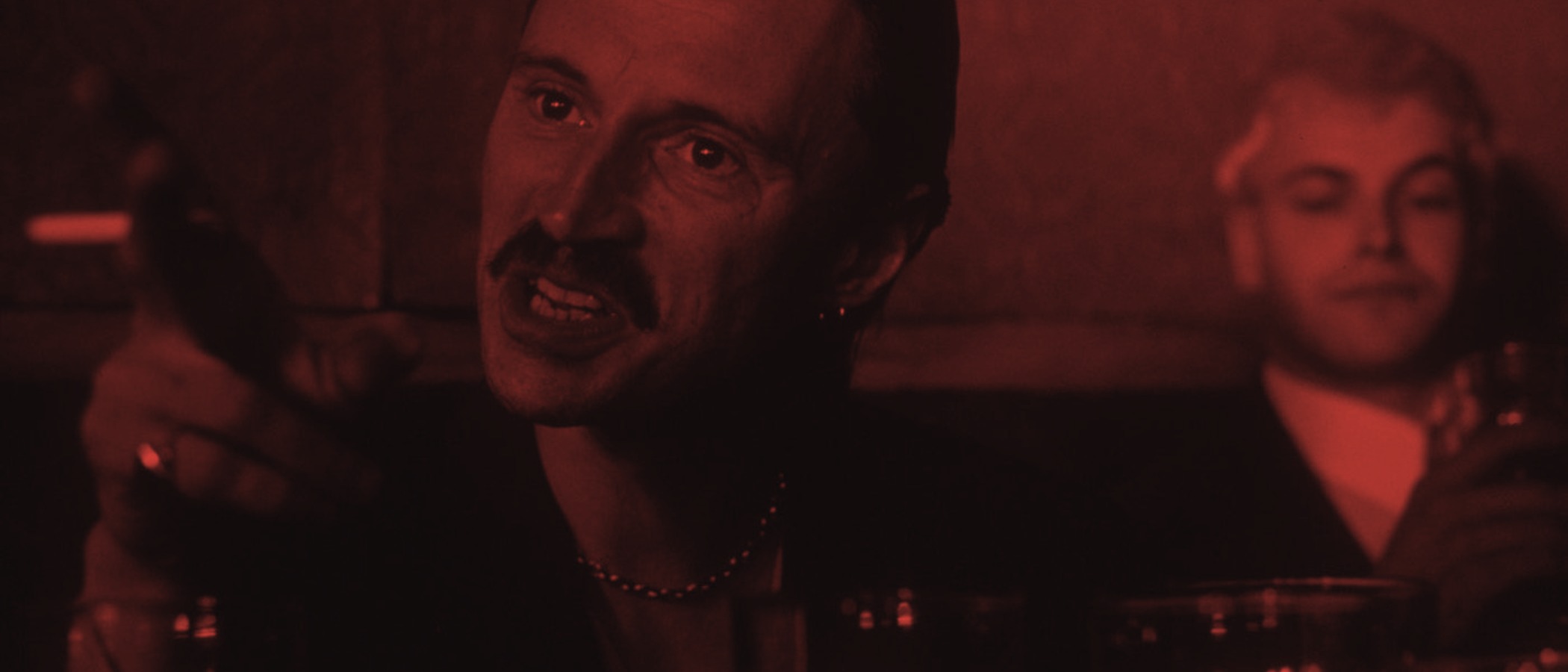
Playing drunk is an acting trap. Go too big and you’re cartoonish. Go too subtle and nobody notices. The balance requires understanding that drunk people think they’re functioning normally while their bodies betray them. Here are the performances that got it right.
Richard E. Grant - Withnail and I (1987)
The supreme irony: Grant is teetotal. He’d never been drunk before playing Withnail, a man who drinks lighter fluid when the booze runs out. His research involved getting smashed once to understand the sensation, then recreating it through pure technique.
The genius is in the physicality - the way Withnail’s grand gestures become imprecise, how his aristocratic bearing crumbles into slump, the increasing desperation beneath the theatrical pronouncements. It’s a masterclass in showing someone who believes they’re in control while visibly falling apart.
Dudley Moore - Arthur (1981)
Moore’s Arthur Bach is permanently sozzled, and the performance needed to make this charming rather than pitiable. He accomplished it through specificity - the way Arthur finds himself hilarious, the complete absence of self-pity, the moments of startling clarity that prove the alcoholism isn’t erasing intelligence.
The famous scene with John Gielgud’s Hobson (“Perhaps you would like me to come in there and wash your dick for you”) works because Moore’s drunkenness seems genuine while remaining comedically precise. That’s the hardest needle to thread.
Emma Stone - Birdman (2014)
Stone’s dressing room confrontation with Michael Keaton is technically one shot, which means her escalating intoxication had to be perfectly calibrated to work without cuts. She moves from buzzed irritation through sloppy emotional truth to tearful breakdown, all while maintaining the scene’s rhythm.
What sells it is the loss of filter - the things you say when alcohol removes your ability to self-edit. Stone shows someone accessing genuine feelings that sobriety would suppress, using the drunk not as comedy but as painful honesty.
Albert Finney - Under the Volcano (1984)
Finney played a British consul drinking himself to death in 1930s Mexico, and the performance required showing the stages of alcoholism rather than just comedic drunkenness. His Geoffrey Firmin is cultured, articulate, and utterly destroyed - a man who can quote poetry while unable to navigate a street.
The technical achievement is maintaining coherence. Finney slurs and stumbles but never becomes unintelligible. The character’s intelligence is still visible beneath the deterioration, making the waste palpable.
Jeff Bridges - Crazy Heart (2009)
Bridges won an Oscar for Bad Blake, a washed-up country singer pickled by decades of touring. Unlike flashy drunk performances, this one shows functional alcoholism - the careful movements of someone who’s adapted to perpetual intoxication, the physical memory that keeps working when the mind doesn’t.
His bowling alley scenes demonstrate someone who’s been drunk so long he’s calibrated to it. The muscle memory works; the emotional presence doesn’t. That distinction is heartbreakingly accurate.
Why It’s Difficult
Real drunk people don’t know they’re being obvious. They speak with excessive care, compensating for slurring. They stand very still to maintain balance. They have moments of startling focus between lapses. Performing these unconscious compensations consciously is counterintuitive.
The worst drunk acting involves exaggerated wobbling and slurred speech without the underlying attempt at normalcy. Real intoxication is people trying to seem sober and failing. The gap between intention and execution is where truth lives.
These performances understand that drunk people aren’t performing drunkenness - they’re trying not to. The alcohol wins despite their efforts. That tension creates authenticity.
Test Your Film Knowledge
- Movie Quotes - Famous drunk lines from cinema
- Frame-a-Day - Identify classic films from a single screenshot
- Actor Connections - Link these legendary performers
Related Articles
- Withnail and I: British Brilliance - The ultimate drunk performance
- Actors Who Only Play Themselves - When persona becomes performance
- Method Actors Who Went Too Far - Commitment to the craft